
The Complete Guide to Cross Hatch Stuff : Tools, Techniques and Why every artist should own it

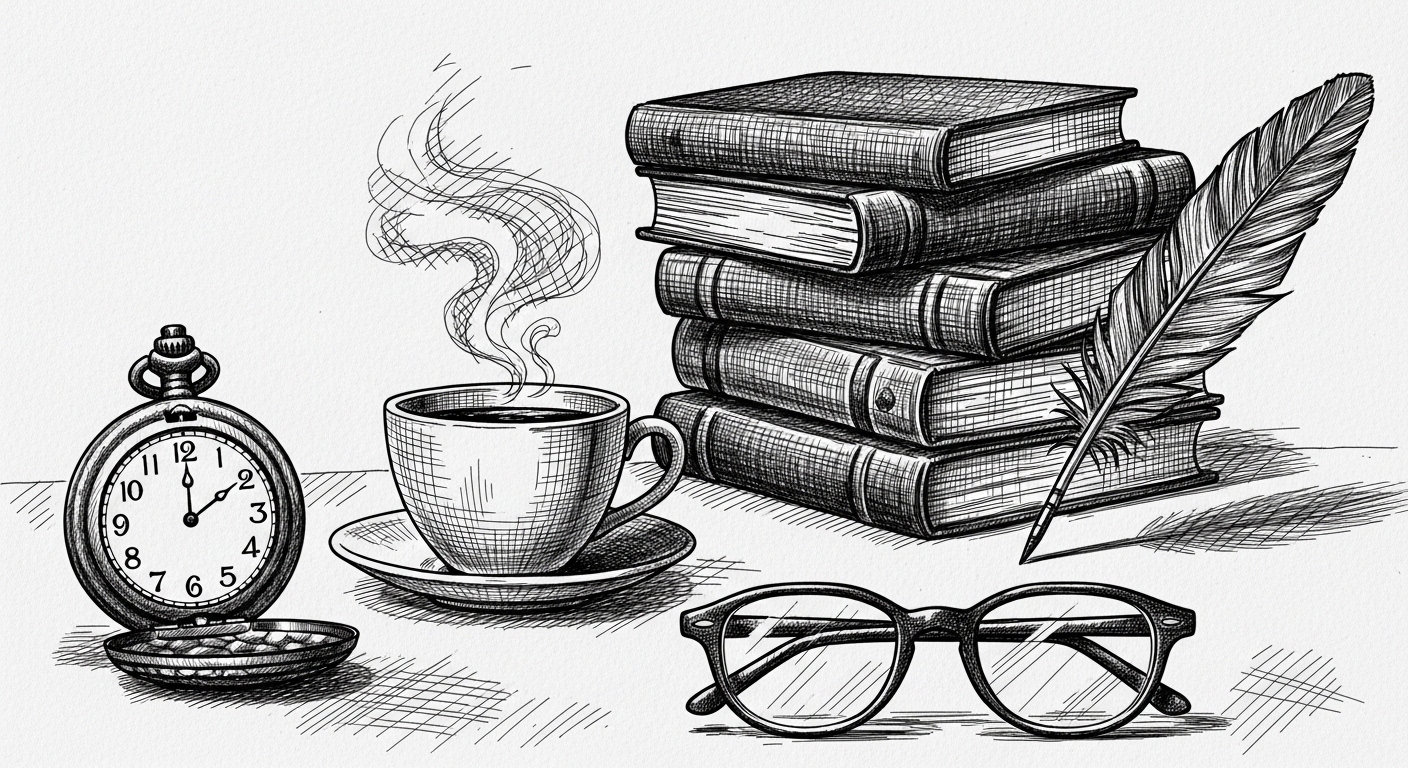
You may have seen cross-hatching stuff at work if you’ve ever been impressed by a drawing that seemed so real, you could almost reach out and touch it. crosshatching is a popular shading technique in comics and fine art. It turns simple lines into depth and emotion.
This detailed guide will explore everything you need, from what Cross Hatch Stuff is to the best tools and step-by-step techniques, as well as real-world examples. We’ll also discuss why investing in quality materials can transform the look of your artwork.
This article can help you buy, understand and use the best Cross Hatch Tools on the market today.
What is Cross Hatch Stuff?
cross hatching is a collection of materials, surfaces, and tools used to create shading by intersecting lines. This technique is known as Cross-hatching.
Learn more: https://en.wikipedia.org/wiki/Hatching
Artists draw multiple layers of lines at an angle, rather than blending them with their fingers or smudging instruments. The darker the tone, the closer the lines are. The lighter the shade, the wider the gap.
This technique is used widely in:
- Pencil drawing — https://en.wikipedia.org/wiki/Pencil_drawing
- Ink illustration — https://en.wikipedia.org/wiki/Ink_wash_painting
- Engraving — https://en.wikipedia.org/wiki/Engraving
- Printmaking — https://en.wikipedia.org/wiki/Printmaking
- Comic art — https://en.wikipedia.org/wiki/Comic_book
- Architectural sketching — https://en.wikipedia.org/wiki/Architectural_drawing
In the past, masters have relied on cross-hatching for creating shadows and depth.
A Short Historical Anecdote
I stood once in front of a black-and-white ink portrait during a trip to a small museum. It looked black and white from a distance. When I got closer, I saw that it was entirely made of ink lines.
No gradients. No gradients. No gradients. Just precise line work.
This moment has changed my view of cross-hatch artwork for ever. Renaissance artists created lifelike masterpieces using the same tools that we use today – pens, ink and textured papers – without any digital assistance.
Why Artists Love Cross Hatch Stuff
Cross hatching is the most popular of all drawing styles.
1. Precision and Control
cross-hatching allows for precise tonal control.
2. Timeless Style
The hand-drawn texture of the line is always in style.
3. Compatible with Ink
Ideal for ink drawings, where the blending is restricted.
4. Comics & Print ready
Cross hatch technique is a popular tool used by comic artists to create dramatic lighting.
5. Texture Creation
Layered lines can be used to simulate wood, metal and fabric.
Essential Cross Hatch Tools You Need
1. Fine Line Pens
Fine liners are the foundation of professional cross-hatch stuff. The ink flows smoothly and evenly, allowing for clean intersections.
Helpful resource: https://www.sakuraofamerica.com/product/pigma-micron/
The following benefits are included:
- Smudge Resistance
- Fade resistance
- Archival ink quality
They are ideal for creating professional cross-hatch artwork.
2. Graphite Pencils
When you are just starting out, the easiest cross-hatching tools to use is pencils.
Graphite grading guide: https://en.wikipedia.org/wiki/Pencil#Graphite_grading_scale
Recommended scale
- HB – Light construction lines
- 2B-4B– Mid-tone shading
- 6B+ Deep Shadow Work
cross-hatching can be improved by using different grades.
3. Textured Drawing Paper
The texture of the paper has a significant impact on your results.
Paper types explained: https://en.wikipedia.org/wiki/Paper#Drawing
Best surfaces:
- Bristol Paper – Smooth Precision
- Cold press paper – Moderate texture
- Cartridge Paper – Balanced grip
The texture enhances the ink retention and makes cross-hatch artwork more visually appealing.
4. Dip Pens & Ink
Cross hatch technique is a favorite of traditional artists who use dip pens.
India ink overview: https://en.wikipedia.org/wiki/India_ink
The following are some of the advantages:
- Natural Line Variation
- Deep black tones
- Vintage engraving aesthetics
Step‑by‑Step Guide: How to Use Cross Hatch Stuff
Step 1: Create an Light Sketch
Keep your lines thin. Keep lines faint.
Step 2: Identifying the light source
Understanding light directions will help you achieve realistic cross-hatch shading.
Lighting basics: https://en.wikipedia.org/wiki/Chiaroscuro
Step 3: Draw First Line Layer
Create parallel strokes – also known as hatching.
Reference: https://en.wikipedia.org/wiki/Hatching
Add Crossing Lines
Cross hatching is formed by overlaying lines in the opposite directions.
Step 5: Create Tonal Depth
Only add additional layers in shadow zones.
Step 6: Refine Details
Use thinner pens to draw textures, edges and facial features.
Pro Tips to Master Cross Hatch Shading
- Variate line weight to depth
- For realism, follow the object contours
- Slowly work to ensure precision
- Practice gradients daily
- Combine with stippling technique — https://en.wikipedia.org/wiki/Stippling
Real‑World Uses of Cross Hatch Stuff
Comics and Graphic Novels
Used extensively in noire and manga illustrations styles.
Tattoo Design
Creates depth in black-ink tattoos.
Tattoo shading basics: https://en.wikipedia.org/wiki/Tattoo_artist
Architecture
Used in architectural rendering — https://en.wikipedia.org/wiki/Architectural_rendering
Product & Industrial Design
Enhances concept visualization.
Currency & Engraving
Stop counterfeiting of banknotes
Anecdote: From Doodles to Professional Art
A friend began sketching on long bus trips. His drawings were initially lacking in depth. Everything changed after purchasing his first cross-hatch stuff professional set.
Within a few weeks:
- Portraits gain realism
- Shadows looked natural
- Then, you will be paid commissions.
The right cross-hatch tools unlock his artistic confidence.
Choosing the Best Cross Hatch Stuff (Buyer’s Guide)
Skill Level
Beginners
- Graphite pencils
- Smooth sketchbooks
Intermediate
- Fineliners
- Bristol paper
Advanced
- Dip pens
- Professional inks
Budget Considerations
Starter kits offer premium cross-hatch tools at an affordable price.
- The best ink flow
- Fade resistance
- Archival durability
Perfect for artists who sell cross-hatch artwork.
Portability
Compact cross-hatch stuff kits are ideal for urban sketchers.
Urban sketching movement: https://en.wikipedia.org/wiki/Urban_sketching
Common Mistakes to Avoid
- Overcrowded lines
- Ignoring light direction
- Uneven spacing
- Pressure on paper
Avoiding these will improve cross-hatching quality.
Benefits of Investing in Quality Cross Hatch Stuff
Professional Results
Line work that is cleaner and sharper.
Long-Lasting Ink
Archival pens resist fading.
Comfort & Ergonomics
Hand fatigue is reduced.
Portfolio Quality Output
Enhances presentation value.
Confidence Boost
Professional tools elevate the artistic mindset
Who Should Buy Cross Hatch Stuff ?
Ideal for:
- Art students
- Comic Illustrators
- Tattoo designers
- Architects
- Fashion designers
- Hobby sketchers
Even beginners can benefit from learning Cross Hatch Technique Early.
Building Your First Cross Hatch Kit
Starter bundle:
- Fineliner pen set
- HB & 2B pencils
- Textured sketchbook
- Sharpener and Eraser
- Ruler
Upgrades available:
- Dip pen
- India ink
- Lightbox — https://en.wikipedia.org/wiki/Lightbox
How Cross Hatch Stuff Improves Artistic Thinking
Cross hatch shading is a great way to improve your observational skills. Artists start noticing:
- Subtle facial shadows
- Folds of fabric
- Metallic Reflections
- Landscape depth
Blending alone does not improve visual analysis as quickly.
Digital vs Traditional Cross Hatch Stuff
Traditional Advantages
- Genuine texture
- Originals in Tangible Form
- Strong muscle memory
Digital Advantages
- Undo flexibility
- Layer control
- Brush Simulation
Digital app example: https://procreate.com
For organic line quality, many professionals still prefer cross-hatch tools.
Maintenance Tips for Your Tools
- Store the pens horizontally
- Clean dip nibs regularly
- Paper guards
- Caps pens are tightly capped
cross-hatch stuff can last a long time with proper care.
Final Thoughts: Why You Should Start Today
Cross hatching is the shading technique which balances both simplicity and mastery.
It’s not necessary to have expensive software or complicated gear. Just the right cross-hatch stuff, and consistent practice.
You can choose to:
- Sell art
- Improve sketches
- Illustrate comics
- Design tattoos
- Relax and be creative
One of the best artistic decisions that you can make is to invest in high-quality cross hatching tools.