
Is Hijab a Muslim requirement? A Complete Guide

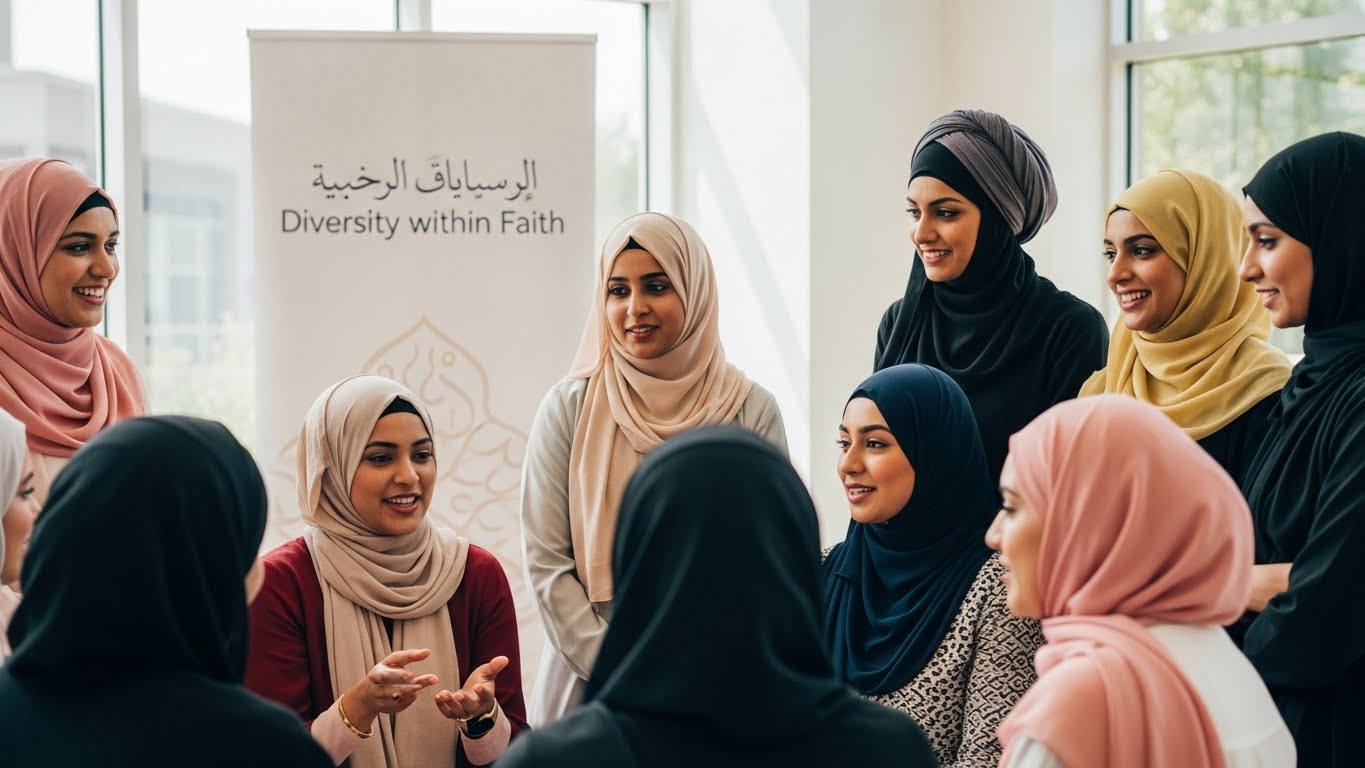
One of the most frequently asked questions by Muslims and non-Muslims is Is Hijab a Muslim requirement. Many people wonder:
- Why do Muslim women cover their heads?
- Is it mandatory or optional?
- What do the Qur’an & Hadith say about?
This article includes references to Islamic scholars and real-life experience. This article is for those who are looking to gain clarity on the topic.
Hijab in Islam
The term hijab means “covering or barrier” in Arabic. It includes:
- Modest dress
- Respectful behavior
- Lowering the gaze
- Maintaining dignity
Islamic teachings stress modesty in both men and woman. Understanding of hijab in Islam can help us understand why it is such a vital aspect of the faith.
What is Hijab in Islam for women?
The Hijab is a Muslim woman’s guideline to maintaining modesty. instructs women to cover specific parts of their body. The key elements are:
- Most scholars believe that covering the body and hair except for the face and hands is acceptable.
- Wearing clothing that is loose-fitting and does not reveal your body shape
- Conduct yourself with modesty and modest speech
The Qur’an states:

Does Hijab for Women in Islam have to be worn?
According to Hadith and the Qur’an, hijab in Islam is mandatory for women after puberty. Scholars from all schools of thought agree on the fact that hijab is a requirement (fard). However, implementation can vary.
- Sunni perspective: The majority of Sunni scholars affirm the hijab as obligatory. (Reference)
- Hanafi perspective: Hanafi scholars confirm that hijab is mandatory but allow for some flexibility in face covering during normal situations. (Reference)
Does Islam require the covering of one’s face?
It is a common myth that the face must be covered. Most scholars agree:
- In Islam, covering the face with a scarf is not required.
- (a data-end=”3021″ data-start=”2971″ href=”https://islamqa.info/en/answers/2121/”>Reference/a>) (Reference)
It allows women to choose the level of cover they feel comfortable with while still following Hijab Principles.
7 Conditions for Hijab
Islamic scholars have often outlined seven conditions for hijab in order to maintain modesty:
- The entire body is covered except for what is permitted
- Wear loose clothing
- Avoid wearing transparent clothing
- Dressing in such a manner that it is not appealing to men who aren’t mahrams
- Maintaining cleanliness
- Dressing respectfully in cultural context
- Follow the guidance of Qur’an & Sunnah
A Step-by-Step Guide for Practicing the Hijab
Here’s how to start wearing hijab if you want to:
Step 1: Understand the purpose
Understanding why hijab is important. The purpose of hijab for Muslims, is to protect dignity and modesty.
Step 2 – Start Gradually
Start in a comfortable environment, such as your home, the university or the mosque. You will adapt more easily.
Step 3: Choose Comfortable Fabric
Choose soft fabrics such as chiffon or cotton for everyday wear.
Step 4 – Learn the Basic Wrapping Styles
Try simple styles of hijab before you try more complex ones.
Step 5: Combine with modest clothing
Complete the look by pairing hijabs with long dresses, or loose, long dresses.
Step 6: Be Patient
Hijab is not a race, but a journey. Confidence increases over time.
Why women choose hijab
Hijab has changed the lives of many Muslim women.
- Confidence Wearing a hijab can lead to pride and respect for oneself.
- Hijab is a spiritual connection.
- Identity Hijab is a sign of modesty and faith in public life.
Anecdote : A student said that wearing the hijab at university made her more confident and respected, proving hijab as more than just a piece cloth. It is a statement.
Is Hijab compulsory in Islam? Summary by School of Thought
| School of Thought | Status of Hijab |
|---|---|
| Sunni | Reference (Compulsory) |
| Hanafi | Face covering is optional, but mandatory ( Reference). |
| Shia | Face coverings for women of all ages are mandatory ( Reference). |
Buy High-Quality Hijab With Confidence
When purchasing hijab
- Choose fabrics that are breathable
- Ensure modest lengths
- Select trusted brands
Quality hijabs and abayas are more than just clothes. They represent faith, identity and comfort. Ummah Style, for example, offers premium hijabs made ethically that adhere to Islamic principles while also being fashionable.
Conclusion
After reading the Qur’an and Hadiths, as well as scholarly guidance
- The hijab is mandatory in Islam for women
- Depending on your school of thought, you can choose to cover the face or not.
- Hijab means modesty, dignity and respect for oneself.