
Tajikistan bans hijab: Understanding this controversial move

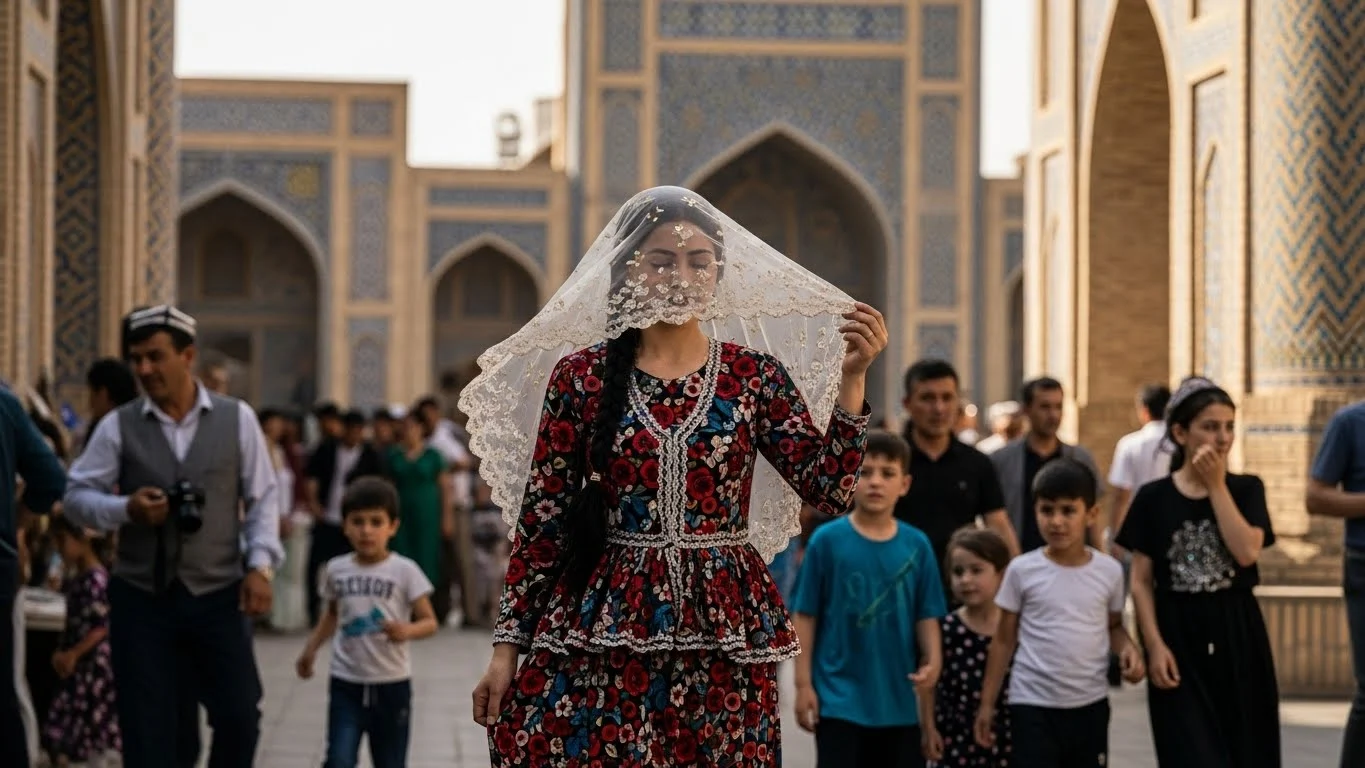
Many people around the globe, particularly in Muslim communities, have been shocked by the news that Tajikistan bans hijab. This decision has ignited intense debates on women’s rights , government control and religious freedom . This article will examine why Tajikistan took this decision, the impact it has on its citizens, and how it compares with other countries. It will also explore what this means for Muslims living in neighboring regions such as Tajikistan Bans Hijab Pakistan.
To help the reader understand the significance of this move, we will provide a step by step understanding of the Tajikistan Religion.
Why Tajikistan Bans Hijab
The government of Tajikistan says that the ban was implemented to promote public safety and secularism . The wearing of hijab in schools, universities and government offices has been increasingly restricted, with heavy fines, disciplinary measures and other sanctions.
Many observers claim that this policy is a part of a larger campaign against visible symbols of religion. Local reports claim that authorities believe that clothing with religious symbols can be associated with extremism. Human rights organizations, however, strongly disagree.
Impact on Women and Society
The ban has a profound impact on the daily lives of many women. Students and professionals must now decide between their education, work and religious beliefs. This has led:
- Fear and social anxiety among Muslim women
- Migration increases as families migrate to more tolerant environments
- Public discussions on Freedom of Religion and Human Rights
They fear that being seen in public with a headscarf could cost them their education. The girls are afraid that wearing a headscarf in public could affect their education .”. This story is a reflection of the social and emotional strain created by the ban.
Comparison of Tajikistan with Other Countries
Other countries have adopted different approaches to the hijab ban .
- Pakistan : Hijab widely accepted at public schools and workplaces. The Tajiks’ approach is striking because of this contrast. See more about Tajikistan bans hijab Pakistan.
- France : This video focuses on the secularism of public institutions and the strict rules that apply to religious symbols. It shows how secularism is interpreted in different ways.
These comparisons will help you understand how historical, cultural and political contexts influence policy on religious clothing.
Understanding Tajikistan Religion
Tadjikistan’s religious composition is dominated by Sunni Islam. Islam is a major influence on culture and family. The government, however, emphasizes a strictly secular identity. This is why policies such as the hijab banning have gained momentum.
Here’s how the religion landscape influences policy, step-by-step:
- The majority of the population is Muslim Islam is a guide to daily life, tradition, and education.
- Government secular policy: Officials strive to minimize the religious influence on public life.
- Tensions: Conflicts between religious beliefs and government regulations lead to social debates.
This helps to contextualize why Tajikistan prohibits hijab despite the fact that the country is predominantly Muslim.
Step by Step Guide for Affected Citizens
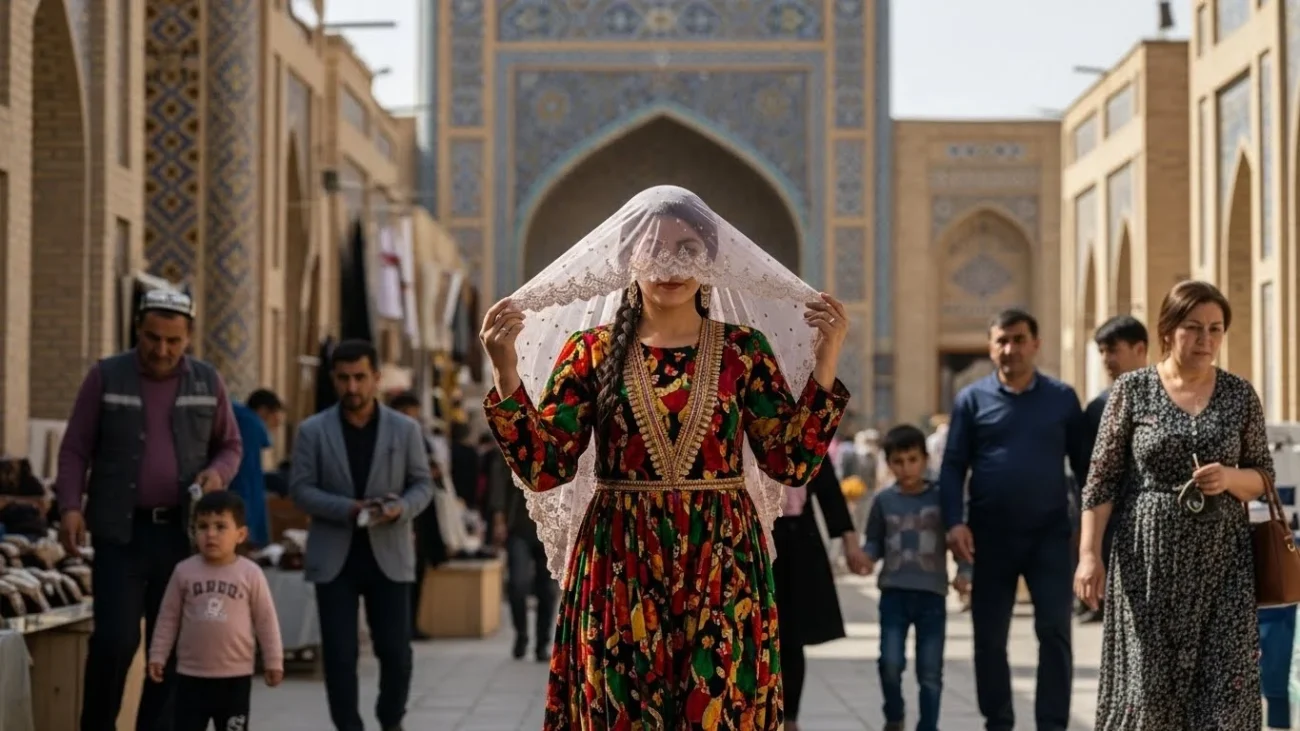
Women and families who are affected by this ban will need to plan and be cautious when navigating the life in Tajikistan. Here’s some advice:
- Know Your Rights: Find out what local laws and regulations say about clothing in public places.
- Consider flexible schools and universities when planning your education path.
- Community Support: Contact local Muslim communities to receive guidance and support.
- Legal advice NGOs and human right organizations can provide resources to advocate.
- Relocation: Many families are considering a temporary or permanent move to a country with religious freedom.
This guide will help readers to understand their options, and act with confidence even when faced with difficult circumstances.
Conclusion
The decision by Tajikistan to ban hijab shows the complicated relationship between religion, political freedoms, and personal liberties. It is controversial but a good case study to understand gender rights and religious policies.
Comparing Tajikistan to other countries such as Pakistan will show international readers the wide range of approaches to religion and public policy around the world.
Understanding the Tajikistan Religion and the social impacts of these policies will help readers engage the topic with empathy and thoughtfulness.